When considering tooth replacement, many patients feel a mix of excitement for a restored smile and hesitation regarding the process.
Understanding the relationship between restorative care and surgical procedures is the first step in demystifying the journey.
Most modern dental restorations involve a multi-step process designed to ensure that your new teeth are as stable and functional as the ones nature provided.
What Are Dental Implants?
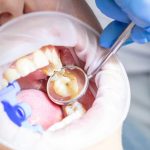
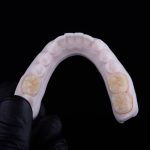
To answer the fundamental question, “What are dental implants?” one must look at them as a three-part system. They consist of a titanium post that acts as a tooth root, an abutment that serves as a connector, and a custom-made crown that looks like a natural tooth.
Unlike bridges or dentures, which sit on the surface of the gums, these devices are integrated directly into the jawbone.
If you are looking for a permanent solution from a dentist in Winnipeg, this technology offers the most lifelike feel and function available today.
What Is Oral Surgery?
Many patients ask, “What is Oral Surgery?” in the context of dentistry. Broadly, it refers to any procedure that involves cutting into or removing tissue from the mouth, including the gums and bone.
Because a titanium post must be precisely placed into the jaw to provide a foundation for a new tooth, the placement of dental implants near you is indeed classified as a surgical procedure.
While the term “surgery” can sound intimidating, it is typically performed under local anesthesia or sedation, making the experience very manageable for the patient.
How Does The Surgical Process Work?
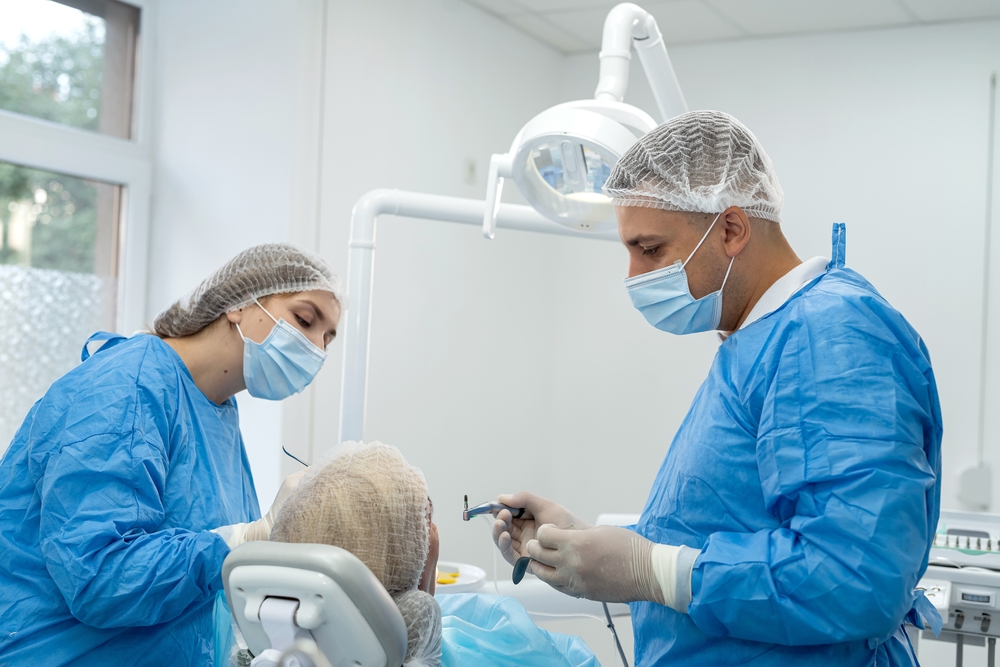
The dental team will begin the process by creating a small incision in the gum tissues to access the bone. By using modern dental tools, the provider will prepare a space for a titanium post and secure it in place.
Performing oral surgery in Winnipeg requires a high level of precision to ensure the implant is positioned for optimal biting force and aesthetic alignment.
Once the post is secured, the gums are closed, and a period of healing begins, during which the bone naturally fuses with the titanium in a process called osseointegration.
Why Is It Important To Consult A Professional?
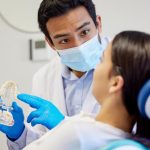
Every mouth is unique, and a consultation with a dentist near you is essential to determine if your jawbone is healthy enough to support surgery.
During this initial visit, the provider will use 3D imaging to map out your oral anatomy. This allows the clinical team to plan the surgery with digital accuracy, minimizing recovery time and ensuring the long-term success of the restoration.
If bone loss has occurred, additional preparatory steps may be discussed to ensure a stable foundation.
Comparison of Restoration Methods
| Feature | Dental Implants | Traditional Bridges |
| Surgical Requirement | Yes (Minor Oral Surgery) | No (Surface Preparation) |
| Bone Preservation | Stimulates and Saves Bone | Bone may recede over time |
| Durability | 25+ years to Lifetime | 7–15 Years |
| Impact on Other Teeth | None | Requires grinding adjacent teeth |
Your Path to a Restored Smile
While the process involves minor surgery, the long-term benefits of a stable, functional smile far outweigh the brief recovery period. Embracing this modern solution allows you to eat, speak, and laugh with total confidence.
At Dental Dreams, we provide gentle, precise care to make your restorative journey stress-free. Our team uses the latest technology to ensure your procedure is a success.
If you’re ready to transform your smile, contact our office today to schedule your consultation.
FAQs
Is the surgery painful?
The procedure is performed under local anesthesia so that you will feel pressure but no pain. Post-operative discomfort is typically mild and manageable with standard over-the-counter pain relievers.
How long does the surgical recovery take?
Most patients return to work the next day, though the gums take about two weeks to heal. The bone fusion process takes three to six months before the final crown is attached.
Are there any risks involved with the surgery?
As with any surgery, there are risks like minor infection or swelling, but these are rare. Following your provider’s aftercare instructions significantly reduces the chance of complications.
Will I be without a tooth during the healing phase?
Your dentist can often provide a temporary tooth or “flipper” so that you maintain your appearance while the surgical site heals and the bone integrates.