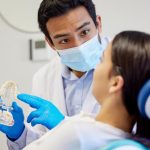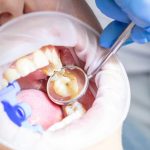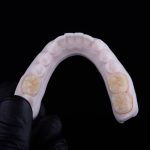

Oral surgery, a specialty in dentistry, provides diagnosis, treatment, and management of problems in the oral cavity, including diseases and injuries to the teeth, gums, and jaw. Oral surgery will make a difference in your oral health, whether this is the removal of a tooth, dental implant placement, or corrective jaw surgery.
If you are considering dental cleaning in Winnipeg or other types of preventive treatments, knowing about the types of oral surgery can help with the decision-making when it comes to your oral health.
For individualized care and sound expert advice, a caring and experienced Winnipeg dentist near you can assess your needs, advise the best surgical treatment for your condition, and provide you with the services necessary to maintain your oral health.
What is Oral Surgery?
Oral surgery means dental treatment provided by dental professionals who treat oral problems not able to be treated by traditional dental treatment. Treatment performed by oral surgeons might include:
- Tooth Extractions—Removal of teeth that are non-restorable due to decay, damage, or simply no longer beneficial for the mouth, which might lead to subsequent infection.
- Dental Implants—Replacing a lost tooth with a dental implant, which is surgically placed in the oral cavity with a replacement crown.
- Corrective Jaw Surgery—Dentalsurgery to treat a bite problem or misaligned jaw.
- Cyst and Tumor Removal—Dental surgery to safely and effectively treat oral growths as they relate to oral health.
Oral surgery will treat immediate dental problems and reduce the risk for more serious dental problems in the future, which are broadly impacting oral health.
How Will Oral Surgery Improve Your Oral Health?
Oral surgery can prevent dental problems that can impact long-term oral health:
a) Infected or Damaged Teeth Can Be Extracted
Impacted or seriously decayed teeth can disrupt oral health by causing pain that can result in infection and teeth shifting or becoming misaligned. Not only does the extraction remove the impacted tooth, but it also reduces the risks of infection in your gums and an altered bite.
b) Supports Jaw and Bone Health
Dental implants can restore function and strength to the jaw and jawbone while supporting oral health. Bone loss is anticipated when we lose teeth, but dental implants can support jaw structure.
While we think of losing teeth as leading to bone loss, a forever-changed and deficient jawbone structure can be supported with dental implants.
c) Prevent Periodontal Disease
When you remove or fix structural issues or remove diseased teeth, inflammation is decreased and the risk of developing periodontitis is reduced.
d) Improves Oral Hygiene
Once the problematic teeth are removed or repaired, your daily oral regimen, particularly dental cleanings, is much easier and more effective.
Benefits for Overall Well-Being
Oral surgery not only improves your teeth, but it may also positively impact your overall health and quality of life.
a) Reduces Pain and Discomfort
By treating impacted teeth, infections, or jaw problems, or simply restoring your teeth, you can eliminate chronic pain and discomfort, making it easier to eat and speak.
b) Boosts Confidence
Having teeth corrected will give you a better smile and a more accessible facial structure. This also enhances confidence in one’s ability to interact with your peers and be social, without feeling awkward about a missing or broken tooth.
c) Improves Nutrition
Healthy teeth and a healthy jaw allow for proper chewing of food, which helps with digestion and nutrient absorption.
d) Prevents Secondary Health Complications
Oral infections can spread in ways that can impact health, and other health complications, like complications of an infection, can lead to heart disease, diabetic issues, or even swollen nasal passages. A dental surgery can work wonders at mitigating some of those issues.
Common Oral Surgery Procedures
Here are some procedures commonly done by dentists:
- Tooth Extractions: Typically performed for the removal of wisdom teeth or significantly decayed teeth.
- Dental Implants: Used to replace one or more missing teeth and preserve the bone.
- Bone Grafting: Utilized to prepare the jawbone for implants or to structurally support the jawbone.
- TMJ Surgery: Surgeries of the jaw joint that cause pain or problems with the bite.
- Soft Tissue Surgery: Used to treat gum disease, remove lesions, or perform surgical correction of anatomical disorders.
These procedures are typically performed with local anesthesia or sedation, so you will feel relaxed during the procedure. An experienced cosmetic dentist in Winnipeg will review the procedure and describe what to expect in recovery after the procedure.
Preparing for Oral Surgery
Good preparation will help improve the surgical outcome and decrease discomfort:
- Review Your Medical History—Tell your dentist about any health conditions or medications you have.
- Adhere to any instructions related to surgery you were given—this may involve fasting from eating and drinking or changes in medication prior to your surgery.
- Prepare for someone to help with recovery—if you receive sedation during surgery, someone will need to assist with recovery after surgery.
- Plan good oral health habits—visit an orthodontist near you or schedule an appointment at least before and after your surgery.
No matter what, the steps you follow will yield a smoother surgical experience with an easier time recovering.
Aftercare and Recovery Post-Surgery
Recovery is a very important factor to think about. Consider the following information when planning for recovery:
- Take pain medications as instructed.
- Use ice packs to decrease swelling within the first 24-48 hours of the procedure.
- Maintain a soft diet and avoid hot or hard foods for a few days.
- Keep up with gentle oral hygiene to prevent infections.
- Attend all appointments to follow up on healing.
In general, many patients note an improved comfort and function within weeks of surgery.
Conclusion: Improve your Smile and Health with Dental Dreams
Oral surgery is a key intervention that will allow for improvement in your oral and overall health. There are numerous benefits, from pain management and infection prevention to repairing function and confidence; these benefits are indeed widespread.
Dental Dreams has experienced dental professionals serving the Winnipeg area who can provide oral surgery intervention. In addition to your routine experience of cleaning or arranging your oral surgery intervention, we do our best to keep healthy, functional, and beautiful smiles. Whether you require a consultation today, book an appointment – it is the first step to improving your oral health and overall well-being!
🚗 Visit Our Dental Office – Click for Directions