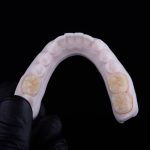

Tooth loss can affect your confidence, oral function, and long-term dental health. Thankfully, modern dentistry offers reliable solutions—most commonly dental implants and dentures. Before choosing the right treatment, it helps to understand what dental implants?, how they work, and the difference between implants and dentures so you can make the best decision for your smile.
What Exactly Are Dental Implants?
Dental implants are artificial tooth roots made of titanium or zirconia that are surgically placed into your jawbone. Over time, the implant fuses with the bone through a process called osseointegration, creating a strong, stable foundation for crowns, bridges, or dentures. This advanced solution has become extremely popular, especially for patients considering dental implants in Winnipeg, due to its durability and natural appearance.
How a Dentist in Winnipeg Helps You Choose the Right Option
After losing a tooth, a consultation with a dentist in Winnipeg is essential to determine whether implants or dentures better suit your needs. Factors such as jawbone health, number of missing teeth, lifestyle, and budget all play a major role in the decision-making process.
Understanding the Service: Dental Implants Near You
If you’re learning about tooth replacement options, your provider may explain why many patients look specifically for dental implants near you when they want a permanent solution. Implants function almost exactly like natural teeth and help preserve jawbone structure, unlike traditional options that sit on top of the gums.
What Are Dentures?
Dentures are removable appliances designed to replace multiple missing teeth at once. They rest on your gums and can be made for either the upper or lower arch or both. Many people choose dentures in Winnipeg for an affordable, non-surgical option, especially when several teeth need replacement.
What’s the Difference Between Implants and Dentures?
Understanding the key difference between implants and dentures can help you make a more informed choice:
1. Stability and Function.
Implants are affixed to the jawbone for a maximum hold. Dentures sit on the gums and may move around while chewing or talking.
2. Comfort and Fit.
Because implants work as real tooth roots, they typically feel more natural. Your dentist may need to adjust your dentures every now and then.
3. Impact on Jawbone Health.
Implants stimulate the jawbone, preventing bone loss. Dentures don’t prevent bone loss because they’re not fused with the bone.
4. Longevity.
Implants can last decades with proper care. Replacement of Dentures is typically necessary every 5–8 years. This is because of wear and tear. Another reason for replacement is changes to your mouth.
5. Convenience and Maintenance
In the fifth paragraph, it’s important to note that implants are brushed and flossed like natural teeth, while dentures must be removed daily for cleaning. During the initial consultation, a dentist near you can walk you through the daily care routine for each option.
Which Option Is Right for You?
Both implants and dentures have their advantages. Implants are ideal for those wanting long-term stability, strong chewing power, and a natural-feeling solution. Dentures may be better for patients seeking a more budget-friendly, non-surgical treatment—especially when replacing many teeth.
Your oral health needs, medical history, and lifestyle goals should guide your final decision.
Conclusion
If you want implants or dentures, the provider will make a difference. You deserve a great smile. At Dental Dreams, we provide all the evaluations, technology, and comfort you need to get it. If you’d like to discuss your options or want professional advice, speak to our team and book an appointment today to rebuild your confidence and smile