Missing teeth can make everyday tasks like eating and speaking harder. They can also affect how your smile looks and how your remaining teeth stay in place.
Many people exploring tooth replacement options come across dental bridges in Winnipeg and wonder how they work and what they can fix.
This blog explains what a dental bridge is, how it works, and whether it can replace more than one missing tooth.
Why Missing Teeth Should Be Addressed
When a tooth is missing, nearby teeth may slowly shift into the open space. This can change how your bite fits together and make cleaning more difficult.
Over time, missing teeth may also affect jaw comfort and confidence when smiling. Replacing lost teeth helps support better balance and long-term oral health.
What Is a Dental Bridge?
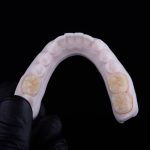
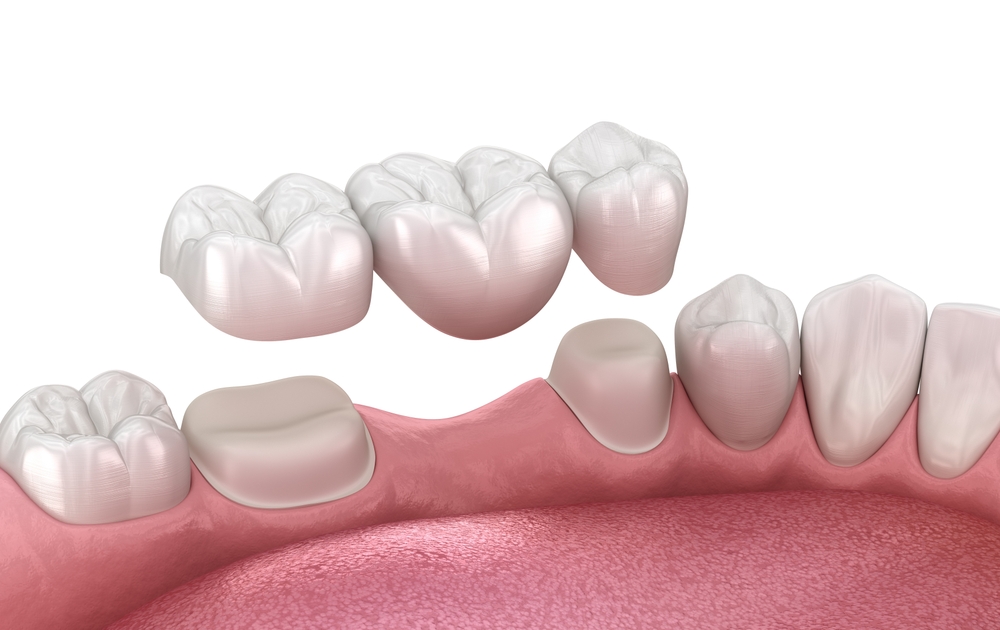
A dental bridge is a fixed dental appliance that fills the gap left by one or more missing teeth.
A bridge usually includes:
- One or more artificial teeth (called pontics)
- Support from nearby natural teeth or dental crowns
The bridge stays in place and is not removable like some other tooth replacement options.
How a Dental Bridge Works
A dental bridge works by anchoring the artificial tooth or teeth to strong support on each side of the gap. This support usually comes from the natural teeth next to the missing space.
Once placed, the bridge restores the look and function of the smile. It helps make chewing easier and keeps nearby teeth from drifting.
Can a Dental Bridge Replace Multiple Missing Teeth?
Yes, in many cases, a dental bridge can replace more than one missing tooth in a row. The key factor is whether there is enough support on each side of the gap.
When several teeth are missing, the bridge may be longer and require strong anchor teeth. A dentist will carefully examine the mouth to decide if this option is suitable.
What are the Types of Dental Bridges
Dental bridges come in a few common types, depending on tooth position and support.
These include:
- Traditional bridges supported by crowns
- Cantilever bridges supported on one side
- Implant-supported bridges for added stability
A dentist in Winnipeg can explain which type fits best based on oral health and tooth structure.
Benefits of Choosing a Dental Bridge
Dental bridges offer several practical benefits for people missing teeth.
They can:
- Restore the ability to chew properly
- Improve speech clarity
- Support facial shape
- Help maintain proper tooth alignment
For many patients searching for dental bridges near you, bridges provide a stable and natural-looking solution.
What to Expect During the Dental Bridge Process
Getting a dental bridge usually takes more than one visit. During the first visit, the dentist prepares the supporting teeth and takes impressions.
A temporary bridge may be placed while the final bridge is made. At the next visit, the permanent bridge is fitted and adjusted for comfort.
Caring for a Dental Bridge
Caring for a dental bridge is similar to caring for natural teeth. Brushing twice a day and flossing daily are important.
Special flossing tools may help clean under the bridge. Regular dental visits allow the dentist to check the bridge and the surrounding teeth.
Visiting a dentist near you regularly helps keep the bridge working well over time.
How Long Do Dental Bridges Last?
Dental bridges can last many years with proper care. Their lifespan depends on oral hygiene, bite forces, and regular dental checkups.
Avoiding very hard foods and maintaining good cleaning habits can help extend how long a bridge lasts.
Is a Dental Bridge Right for You?
Dental bridges are one of several tooth replacement options. They may be suitable for people who want a fixed solution without removable appliances.
A dental exam helps determine whether a bridge is the best choice or if another option should be considered.
Understanding Your Tooth Replacement Options
Dental bridges are a reliable way to replace one or multiple missing teeth for many patients. Understanding how they work makes it easier to decide what fits your needs and comfort level.
At Dental Dreams, patients can learn more about dental bridges and how they may help restore function and confidence.
A personalized consultation can provide clarity and guidance for long-term oral health decisions. Schedule a consultation with our team today.
FAQs
How long does a dental bridge last?
With proper care, dental bridges can last 10–15 years or longer. Regular brushing, flossing, and dental checkups help maintain them.
Can a dental bridge replace more than one tooth?
Yes, bridges can replace multiple missing teeth in a row if there are strong teeth or implants to support them.
Is getting a dental bridge painful?
Most patients experience only mild discomfort during tooth preparation. Local anesthesia is used to keep the process comfortable.
How do I care for a dental bridge?
Brush twice a day and floss daily, including under the bridge. Regular dental visits ensure the bridge stays in good shape.